Emergency Tree Removal
Professional Tree Spraying Services in Springfield, MO
Get a Free Estimate
Tree Spraying Treatments by ISA-Certified Arborists
Our trees have to put up with a lot. Between dealing with harsh weather conditions and fighting off invasive pests and destructive fungal diseases, it can feel like an uphill battle to maintain their health. Fortunately, you don’t have to rely on trial and error to find the right solution for breathing life back into your beloved tree. The certified arborists at All About Trees can accurately pinpoint the problem and offer effective solutions, such as tree spraying, to give your trees the little extra attention they need to thrive.
By targeting common threats, our professional spray applications can protect against infestations and diseases that would otherwise weaken or damage your plants. And with our treatments, you don’t have to worry about harsh chemicals — we use systemic treatments and horticultural oils, which are not only effective but also safer for your property. Speak to our plant health care team to find out if tree spraying is right for your situation. We proudly serve the greater Springfield, MO, area, including Nixa, Fremont Hills, Ozark, Republic, Battlefield, Rogersville, Willard, Strafford, and Fair Grove.
Talk To Our Certified Arborists
Our trees have to put up with a lot. Between dealing with harsh weather conditions and fighting off invasive pests and destructive fungal diseases, it can feel like an uphill battle to maintain their health. Fortunately, you don’t have to rely on trial and error to find the right solution for breathing life back into your beloved tree. The certified arborists at All About Trees can accurately pinpoint the problem and offer effective solutions, such as tree spraying, to give your trees the little extra attention they need to thrive.
By targeting common threats, our professional spray applications can protect against infestations and diseases that would otherwise weaken or damage your plants. And with our treatments, you don’t have to worry about harsh chemicals — we use systemic treatments and horticultural oils, which are not only effective but also safer for your property. Speak to our plant health care team to find out if tree spraying is right for your situation. We proudly serve the greater Springfield, MO, area, including Nixa, Fremont Hills, Ozark, Republic, Battlefield, Rogersville, Willard, Strafford, and Fair Grove.
Read More
Why You Should Hire an ISA-Certified Arborist for Tree Spraying
When a tree’s leaves develop spots, or a trunk starts sporting mushrooms, some homeowners are quick to spray insecticides or fungicides on the visible symptoms. However, what they fail to realize is that not all problems can or should be treated with spray applications, and using the wrong method at the wrong time can be ineffective or even harmful.
Instead of risking your tree’s health with do-it-yourself solutions, rely on professional tree spraying services. A certified arborist from All About Trees in Springfield, MO, brings years of training and experience to the table so that your tree receives the precise care it needs.
The Pest or Disease Can Be Accurately Diagnosed
Many tree issues look similar to the untrained eye. For example, yellowing leaves, premature defoliation, and branch dieback could very well be signs of a fungal infection, but they may also be indicative of an insect infestation or even nutrient deficiency.
Instead of guessing at the best insect and disease control method, an arborist certified by the International Society of Arboriculture (ISA) can assess the tree’s health and pinpoint the exact problem before recommending a spray treatment. This accurate diagnosis prevents unnecessary applications and ensures that the right solution is applied for the best results.
The Timing Will Be Spot On
The timing of spray applications is critical to their success, as spraying too early or too late in the season can make the treatment ineffective. For instance, fungal sprays must be applied at the correct growth stage to prevent infection, and insecticides should be used when pests are most vulnerable.
Our tree spraying company understands growth cycles and pest lifecycles, so we can schedule treatments at optimal times for maximum effectiveness.
The Application Will Be Correct
When spraying trees, you must take steps to prevent drift and unintended exposure to nearby plants, animals, and people. That’s why our ISA-certified arborists use specialized equipment and follow industry best practices, including limiting spray heights to 25 feet, to help the product reach its intended target without affecting surrounding areas.
The Spraying Isn’t Harmful
When people hear “tree spraying,” they often equate the service with harmful chemicals. However, when performed by our team, you can have peace of mind about your family’s health and the well-being of the surrounding environment. We use systemic treatments and horticultural oils to provide long-lasting protection.
The systemic treatments work by allowing the tree to absorb the active ingredients through its vascular system, reducing the need for excessive spraying. Horticultural oils smother soft-bodied insects like aphids and scale without harming beneficial insects or the surrounding ecosystem.
Tree Foliar Spray Applications
A tree foliar spray is one of the most effective ways to deliver essential nutrients or protective treatments directly to the tree’s leaves. By applying the spray directly to the foliage, trees can absorb the treatment quickly, allowing for fast and noticeable improvements in relation to fungal infections and pest infestations.
When Should Foliar Sprays Be Considered?
Foliar applications are commonly used for managing fungal diseases like anthracnose, powdery mildew, and leaf spot. These treatments work by creating a protective barrier that prevents spores from taking hold and spreading.
Foliar sprays can also be used as an effective insect and disease control measure, warding off problems before they can consider attacking your tree.
Trunk Sprays
For trees dealing with scale insects and some bark-boring insects, our trunk applications are ideal. Unlike foliar sprays, which coat the leaves, trunk sprays are applied directly to the bark, where they can be absorbed into the tree’s vascular system. This method is particularly useful for protecting trees against pests like soft and armored scale insects, which can cause increasing damage if left untreated.
How Do Trunk Sprays Work?
By penetrating the tree's outer layers, trunk tree spraying helps by entering the tree's vascular system systemically. It targets the insect as they feed on the tree. This proactive treatment can mean the difference between a healthy tree and one that succumbs to infestation.
Common Diseases and Pests Tree Spraying Targets
When you hire us for tree spraying services in Springfield, MO, our ISA-certified arborists take a close look at the tree’s overall condition, species, growth patterns, and symptoms to understand what may be contributing to the issue you’ve noticed. That may include a specific insect population, a fungal disease, or a pattern of decline linked to stress. Once we understand the problem, we develop a treatment plan that addresses the specific insect or disease properly.
Some of the most common tree diseases and pests that benefit from tree spraying include:
Fungal Diseases
Fungal diseases are important to monitor, as damage can occur rapidly. For example, leaf spot diseases often begin as small discolorations that spread quickly during wet conditions. Anthracnose may cause blotches, curling leaves, and twig dieback on susceptible species. Powdery mildew, rust, and other fungal issues can also affect foliage and overall tree appearance. Tree spraying can often help prevent or cure these diseases.
Scale Insects
These pests feed on sap and may weaken branches, reduce vigor, and leave trees susceptible to secondary problems. It’s important to note that because they often blend into bark and stems, it’s easy for those without a trained eye to miss infestations until trees start showing signs of stress. That’s why routine tree health inspections are so important. Our team can spot the threat of scales before extensive damage occurs.
Tree Mites
Mites can also become an issue, especially during hot, dry periods. Though tiny, they can cause stippling, bronzing, and leaf drop. When populations increase, the damage can spread quickly across a canopy.
Emerald Ash Borers
Emerald ash borers are one of the most destructive pests affecting ash trees. They tunnel beneath the bark and disrupt the tree’s ability to move water and nutrients, often leading to canopy thinning, bark splitting, dieback, and eventual tree loss if left untreated. Our ash tree injections are a preventative approach to protecting your ash trees. Injected directly into the base of the tree, this treatment will last two years to protect from EAB.
Bagworms
Bagworms are a serious threat to evergreens and certain ornamental trees. These pests create spindle-shaped protective bags and feed on needles and leaves, which can lead to thinning foliage, browning, and severe stress when infestations are heavy. Timely foliar spraying treatments in the spring and summer can help control active infestations and protect vulnerable trees from extensive defoliation.
Aphids
Aphids are a frequent nuisance for many ornamental and shade trees. These small insects feed on plant sap and can cause curling leaves, yellowing foliage, and sticky honeydew residue. That residue may also lead to sooty mold, which affects the tree’s appearance and can interfere with healthy growth.
Defoliating Insects
Caterpillars and defoliating insects may chew through leaves and reduce the tree’s ability to photosynthesize. A single event may not always be devastating, but repeated defoliation can significantly stress a tree over time. Professional spraying helps manage these outbreaks before they severely impact health.
Fruit Tree Spraying in Springfield, MO
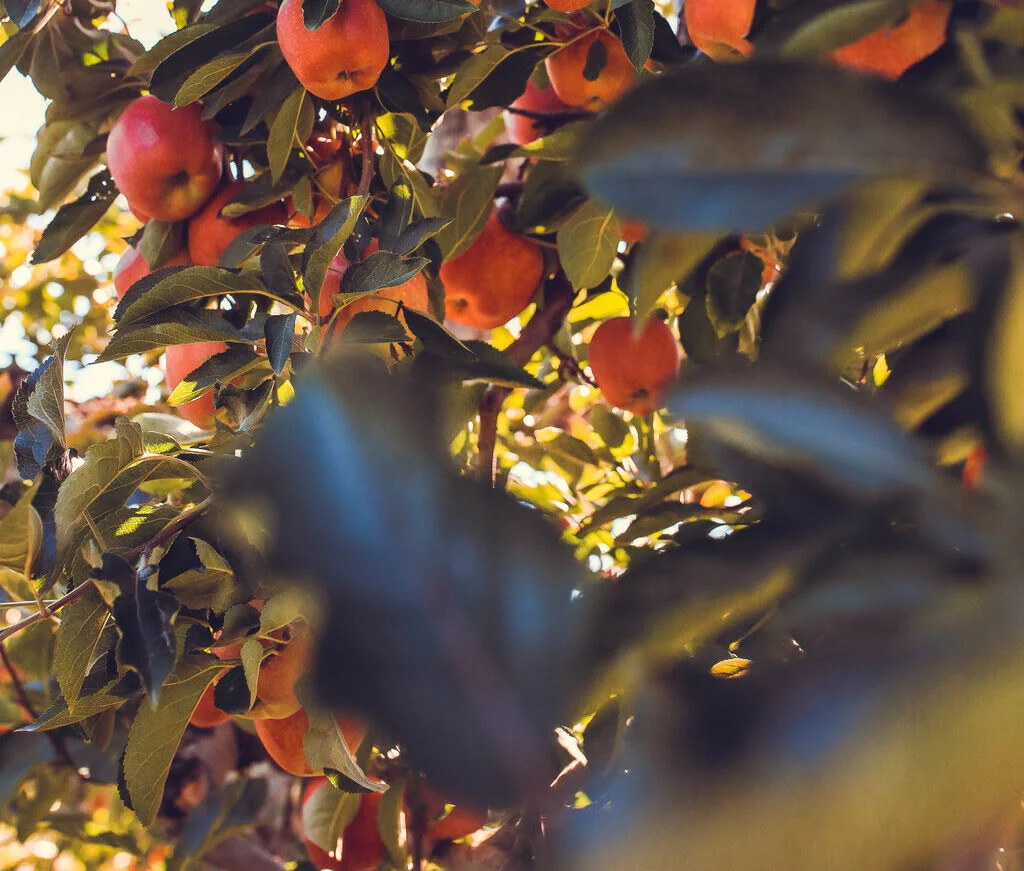
Without the right protection, fruit trees may struggle with leaf damage, fungal issues, poor fruit development, or premature fruit drop. Professional fruit tree spraying helps address these concerns at the right stages of growth. Our ISA-certified arborists evaluate the tree’s condition, surroundings, and seasonal risks before treating the tree. In this way, we support healthier foliage, improved vigor, and a more successful harvest over time.
Foliar Feeding in Springfield, MO
In addition to treating trees for diseases and pests, we also offer foliar feeding services that deliver nutrients directly to a tree’s leaves, allowing for quick absorption when a tree needs extra support. This can be especially helpful when trees are showing signs of nutrient deficiencies, environmental stress, or slowed growth. Rather than relying only on nutrients taken in through the root system, foliar sprays provide targeted support that can help improve leaf color, encourage healthier development, and strengthen overall vitality.
Other Solutions to Consider
While tree spraying from our team in Springfield, MO, is an excellent way to manage pests and diseases, some tree health concerns require alternative treatments. That’s why we also offer tree care solutions that work alongside spray applications to promote long-term health. These solutions can include:
- Soil Systemic Injections: Instead of applying treatments to the tree’s exterior, soil injections deliver nutrients and insecticides directly into the soil, where they are absorbed through the root system.
- Deep Root Feeding: Nutrient-poor conditions can stunt a tree’s growth, which is why deep root feeding delivers vital nutrients directly into the root zone to make sure trees have access to everything they need to thrive.
- Tree Pruning: Proper pruning can help trees resist disease and pest infestations by removing weak, damaged, or dead branches before they can cause harm.
- Tree Removal: In some cases, tree spraying and other treatments may not be enough to save a severely damaged or diseased tree. If a tree poses a risk to structures, property, or people, we may recommend tree removal.
We're Proud to Serve the Following Communities:

Springfield
Nixa
Republic

Ozark
Battlefield
Willard

Fair Grove
Strafford
Rogersville

Find Out if a Spray Application Can Keep Your Trees Healthy
Not all trees require spraying. In fact, some issues may be best addressed with alternative treatments, while other changes in a tree’s appearance might not need intervention at all. That’s why it’s essential to have a certified arborist assess your tree’s health before moving forward with any plant health care plan. You can reach out to the experts at All About Trees any time you have a concern or question about your tree’s health in Springfield, MO.
Our tree care professionals have the training and education to recommend the best treatment for your tree’s specific needs, whether it’s a foliar spray, trunk spray, or another solution altogether. Contact us today to schedule an evaluation, and we’ll help your trees thrive for years to come!