Emergency Tree Removal
Oak Wilt Management
Oak Wilt Treatment & Management in Springfield, MO
Oak wilt is one of the most destructive tree diseases affecting oaks throughout the Midwest, and once it takes hold, it can spread quickly. This fungal disease disrupts the tree’s vascular system, preventing water from moving from the roots to the canopy. As a result, leaves wilt, branches die back, and the tree rapidly declines.
The best way to help an infected tree recover is to act fast. Systemic fungicide injections are the most effective solution, especially when administered in the early stages of infection. Our ISA-certified arborists at All About Trees are trained to identify oak wilt accurately, assess the stage of the disease, and recommend the most appropriate treatment for your trees.
Whether we’re confirming an early diagnosis or evaluating the extent of an infection, our experts provide clear, honest guidance every step of the way. If you suspect your favorite trees are being affected by this fungal disease, contact us today for prompt inspection and effective oak wilt treatment in Springfield, MO.


Common Oak Wilt Symptoms to Watch For
Identifying oak wilt can be tricky because the symptoms often mimic other stressors, such as drought, heat stress, or construction damage. On top of that, the progression of the disease differs depending on the species of oak you have. For example, red oaks tend to decline much faster, often dying within a single season, while white oaks may survive longer or respond better to treatment.
No matter the species, however, early detection is essential. So, be sure to let your local arborist know right away if you notice any of the following symptoms of oak wilt:
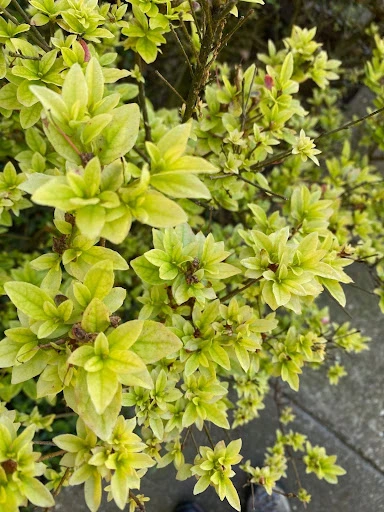
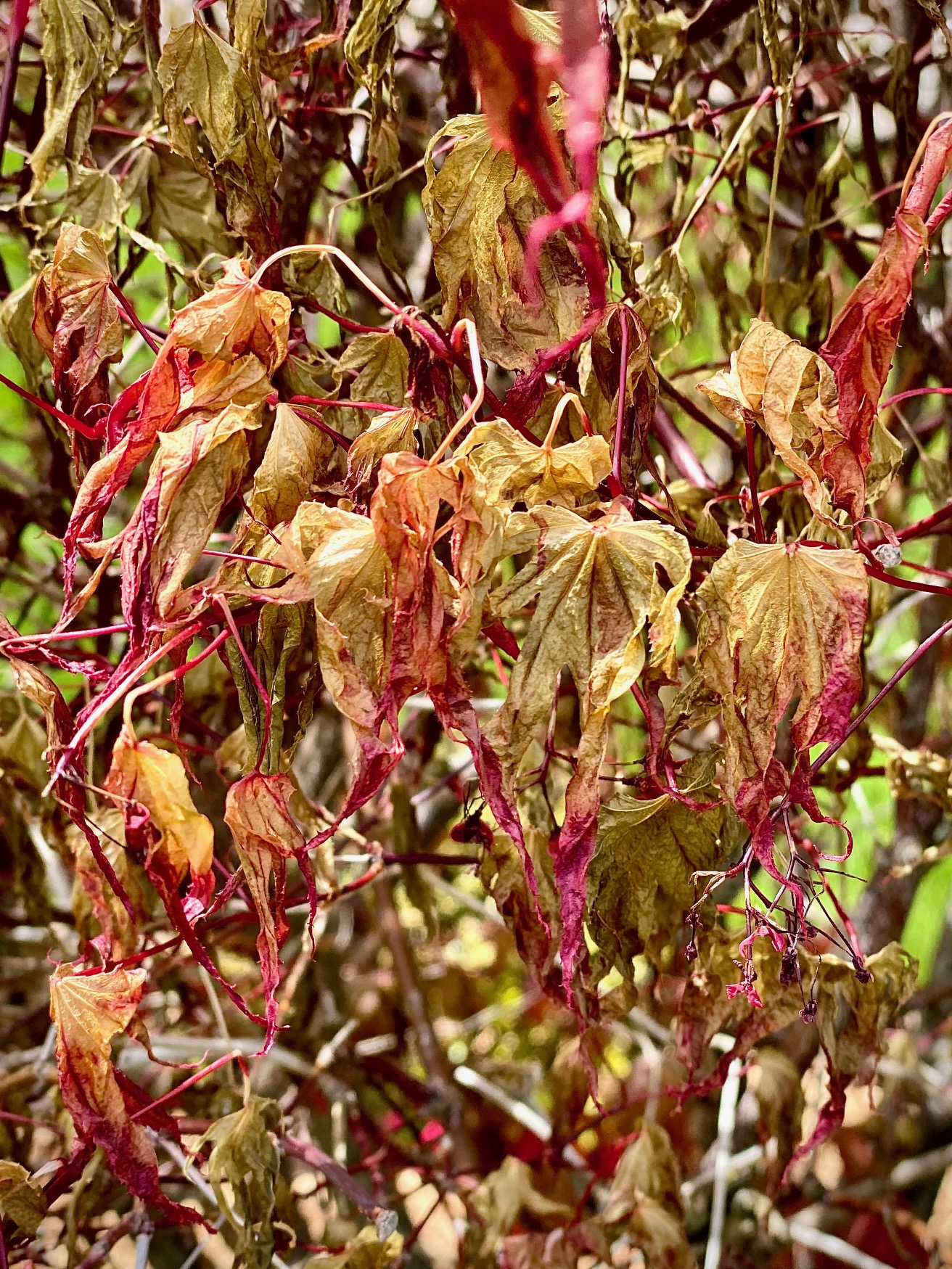
- Leaf Wilting and Discoloration: Leaves may turn bronze or brown, starting at the margins and moving inward to the midrib. This discoloration often begins at the top of the canopy and progresses downward. In red oaks, this change can happen incredibly fast.
- Premature Leaf Drop: If your oak begins shedding leaves in late spring or early summer, it could be infected.
- Fungal Mats: On red oaks, the fungus sometimes produces spore mats beneath the bark. These mats create pressure, causing cracks in the bark. If visible, they are a strong indicator of advanced oak wilt.
- Discolored Sapwood: When the bark is peeled back, the sapwood may appear streaked or darkened.

Plant Health Care
The Best Treatment Method for Oak Wilt
The oak wilt disease is aggressive, but when treated early, many trees (particularly white oaks) can recover. When customers come to us with concerns about this tree disease, we often recommend systemic fungicide injections, which deliver the fungicide directly into the tree’s vascular system. This approach halts the fungus’s spread and helps the tree regain strength over time.
In addition to injections, our arborists may recommend tree pruning to remove infected limbs, deep-root feeding to improve soil conditions, or adjusting watering practices. Every tree is unique, so we base our oak wilt treatment recommendations on its species, age, health condition, and the severity of infection.
Benefits of Fungicide Injections for Oak Wilt
Direct, Targeted Action
Instead of relying on surface applications, trunk injections deliver treatment right where the fungus is doing damage. This ensures fast and controlled absorption.
Minimally Invasive
Our ISA-certified arborists use specialized equipment designed to minimize stress on the tree. We make small injection sites that heal quickly.
Proven Success
When applied before significant canopy loss occurs, these fungicide injections can significantly improve survival rates and help infected trees rebound.

Suitable for Both Residential and Commercial Properties
Whether you have a single beloved oak or dozens across a business campus, our team can tailor a treatment strategy that works with your property’s needs.
Objective
The Importance of Preventative Oak Wilt Management
While treatment can often save an infected oak, prevention is always the best defense, especially in areas like Springfield, MO, where oak wilt is a known and growing threat. To effectively manage this tree disease, we often recommend the following:
- Routine Tree Health Inspections: Scheduling periodic assessments allows our arborists to identify early signs of stress or disease and provide necessary plant health care solutions.
- Proper Pruning Practices: Pruning oaks at the wrong time of year can create open wounds that attract beetles carrying the oak wilt fungus. We follow best practices, including ANSI A300 standards, to prevent unnecessary risks and keep your trees strong.
- Trenching to Stop Root Graft Transmission: Oak wilt often spreads from tree to tree through interconnected root systems. Installing a root-severing trench can stop the fungus from moving into neighboring oaks.
- Debris Management: Diseased wood must be handled carefully. Since leaving infected logs or branches on a property can allow spores to spread, we remove contaminated material and destroy it properly.
When Is Tree Removal Necessary for Oak Wilt Disease Management?
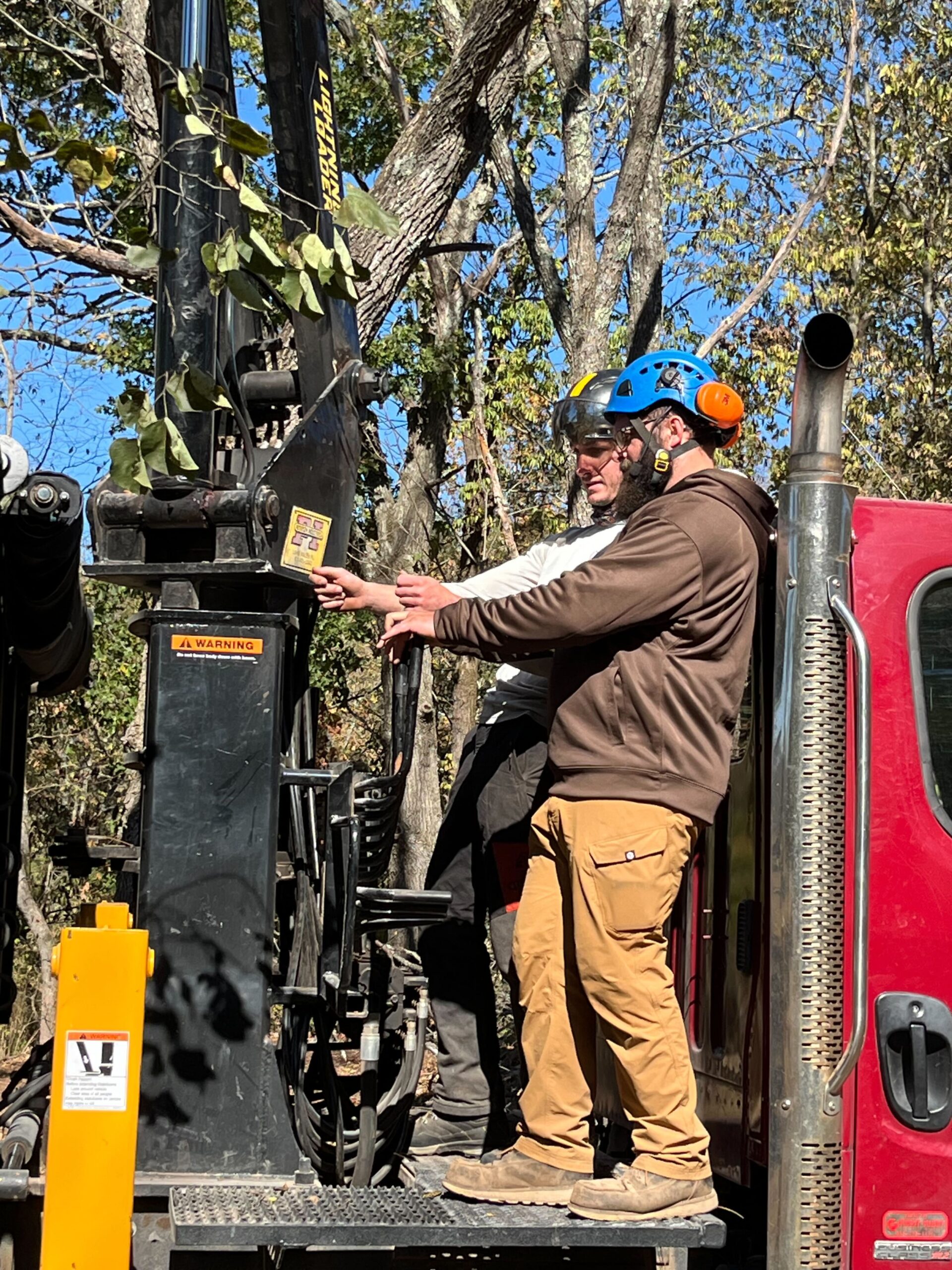
Unfortunately, some trees reach a point where oak wilt treatment is no longer effective. In these cases, tree removal becomes the safest and most responsible option to prevent hazardous tree failure and to stop the disease from infecting nearby trees.
You may need removal if over 30% of the canopy has died back, the tree belongs to the red oak group and is already in rapid decline, spore mats are present beneath the bark, the tree is structurally unstable due to extensive internal rot, or nearby oaks are at high risk of root graft infection. If removal is necessary for oak wilt disease management, our Springfield arborists will follow industry best practices to safely and efficiently take down the tree, grind the stump, and dispose of infected material to prevent further contamination.



Let Our Arborists Help You Control Oak Wilt
Oak wilt is a serious threat to Springfield’s beautiful oak populations, but with the right care, many trees can be saved, and future infections can often be prevented altogether. Connect with the ISA-certified arborists at All About Trees today for trusted oak wilt management and treatment services in Springfield, MO. We’ll be right there to provide solutions that help your trees grow to their full potential.
Learn More

Contact Us
Give us a call if you’d like to be added to our calendar for a yearly maintenance check of your trees!