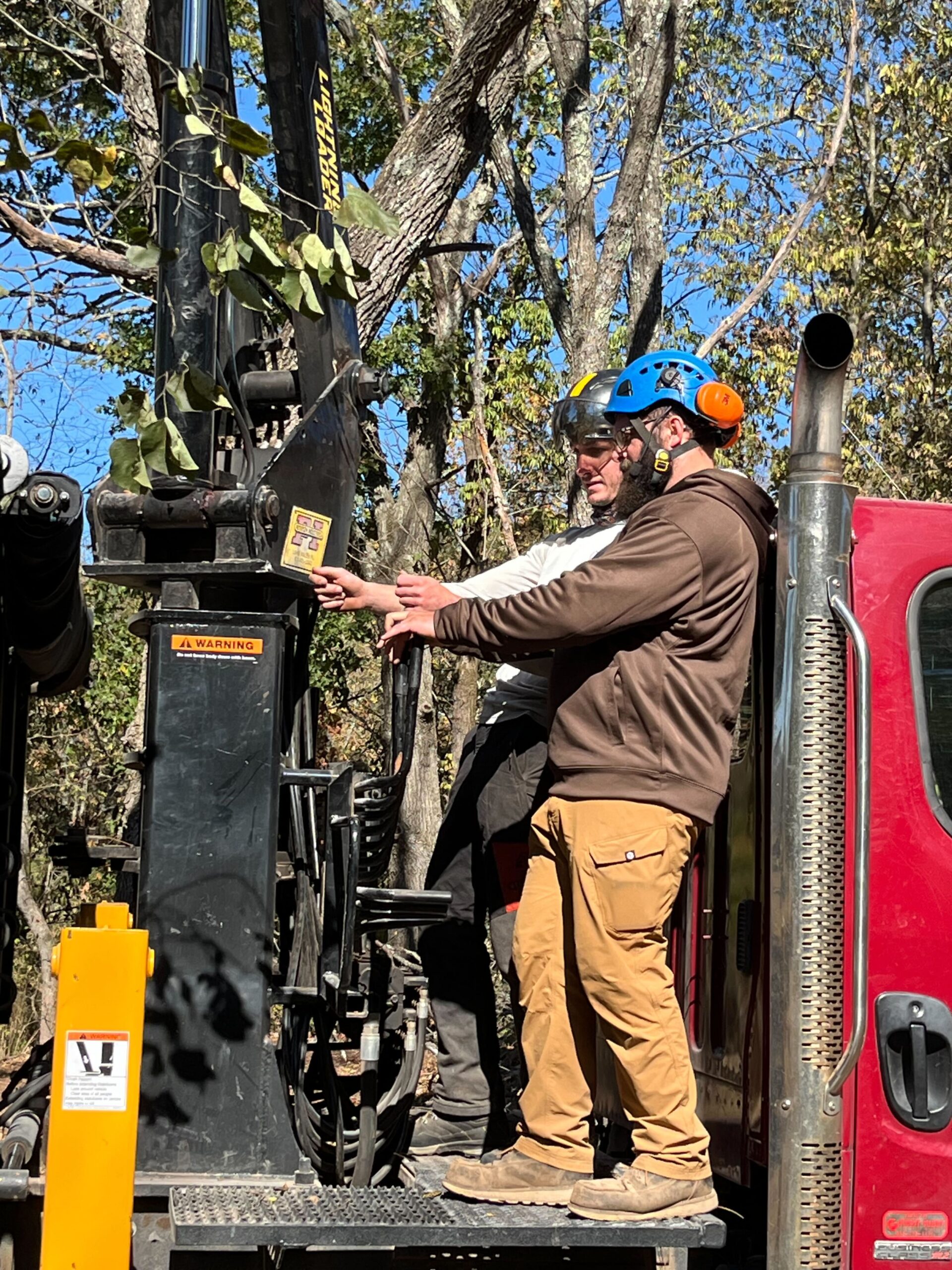
Emergency Tree Removal
Anthracnose Treatment in Springfield, MO
While the Springfield Metro area is known for its beautiful, lush landscapes, it’s also characterized by humid summers and particularly cool, damp springs — both of which create the perfect breeding ground for fungal diseases like anthracnose. This fungal condition often catches homeowners off guard, as what starts as a few small spots on a leaf can quickly turn into a full-scale defoliation event, leaving trees looking thin, sickly, and bare just as the growing season should be reaching its peak.
The good news is that anthracnose is highly manageable when it’s caught early. At All About Trees, our team of ISA-certified arborists can identify the specific strain of anthracnose affecting your tree and create customized treatment plans designed to bolster the tree’s natural defenses and protect its future health. Whether you are in Springfield, Nixa, Fremont Hills, Ozark, Republic, Battlefield, Rogersville, Willard, Strafford, or Fair Grove, we are here to provide the expert care your canopy deserves. Contact us today for effective anthracnose treatment!
Read More
What Is Anthracnose & Which Trees Does It Affect?
Anthracnose is a group of fungal diseases that primarily attack leaves, young shoots, and sometimes twigs. In our area, it tends to flare up during periods of cool, wet weather, particularly in spring when new leaves are tender and vulnerable. The fungi spread through rain splash, wind-driven moisture, and infected leaf litter left behind from previous seasons. Once conditions improve (i.e., hotter temperatures and drier air), symptoms may slow down, but the tree can still be left weakened if the cycle repeats year after year.
In the Springfield, MO, region, anthracnose is most often noticed on trees such as:
- Sycamore
- Dogwood
- Oak
- Maple
- Ash
- Hickory and walnut
- Elm
It’s important to know: anthracnose rarely kills a healthy, mature tree in a single season. The bigger concern is repeated defoliation, which forces the tree to spend extra energy pushing new growth, weakening defenses over time. That’s when secondary problems (like pests, cankers, or dieback) start to appear.

Common Symptoms of Anthracnose Disease
Because anthracnose can look like drought stress, nutrient deficiencies, insect damage, or even herbicide drift, a professional evaluation is needed to determine the presence of this disease. Still, there are several symptoms that commonly point to anthracnose, especially when they appear after extended spring moisture.
Look for:
- Irregular brown or black leaf spots that may follow the veins
- Blotchy, tan patches that spread outward from leaf edges or midrib
- Leaf curling or distortion, especially on young leaves
- Premature leaf drop, sometimes heavy enough to thin the canopy early
- “Scorched” leaf edges that resemble heat stress but show spotting patterns
- A sparse canopy and delayed leaf-out in spring (common with sycamores)
- Small twig dieback or dead tips, particularly after several tough seasons
A key clue is timing: anthracnose symptoms often show up in spring and early summer, right after stretches of rain or cooler, damp weather. If you’re noticing repeat patterns — same tree, same time of year — it’s worth scheduling a tree health inspection.

Plant Health Care
Professional Anthracnose Treatment Options in Springfield, MO
Effective care for anthracnose depends on tree species, severity of the infection, location of the tree, and the tree’s overall stress level. At All About Trees, our ISA-certified arborists focus on smart, targeted solutions designed to protect tree health while reducing the likelihood of recurring outbreaks.
Accurate Diagnosis
Before any treatment, we start with a thorough inspection to confirm anthracnose and rule out look-alike issues. This may include evaluating the pattern of spotting and leaf loss, canopy density and branch structure, site conditions (shade, airflow, irrigation habits, soil compaction), and overall vigor and risk factors. When we know the true cause of the tree’s decline, we can treat the right problem and avoid wasting time and money.
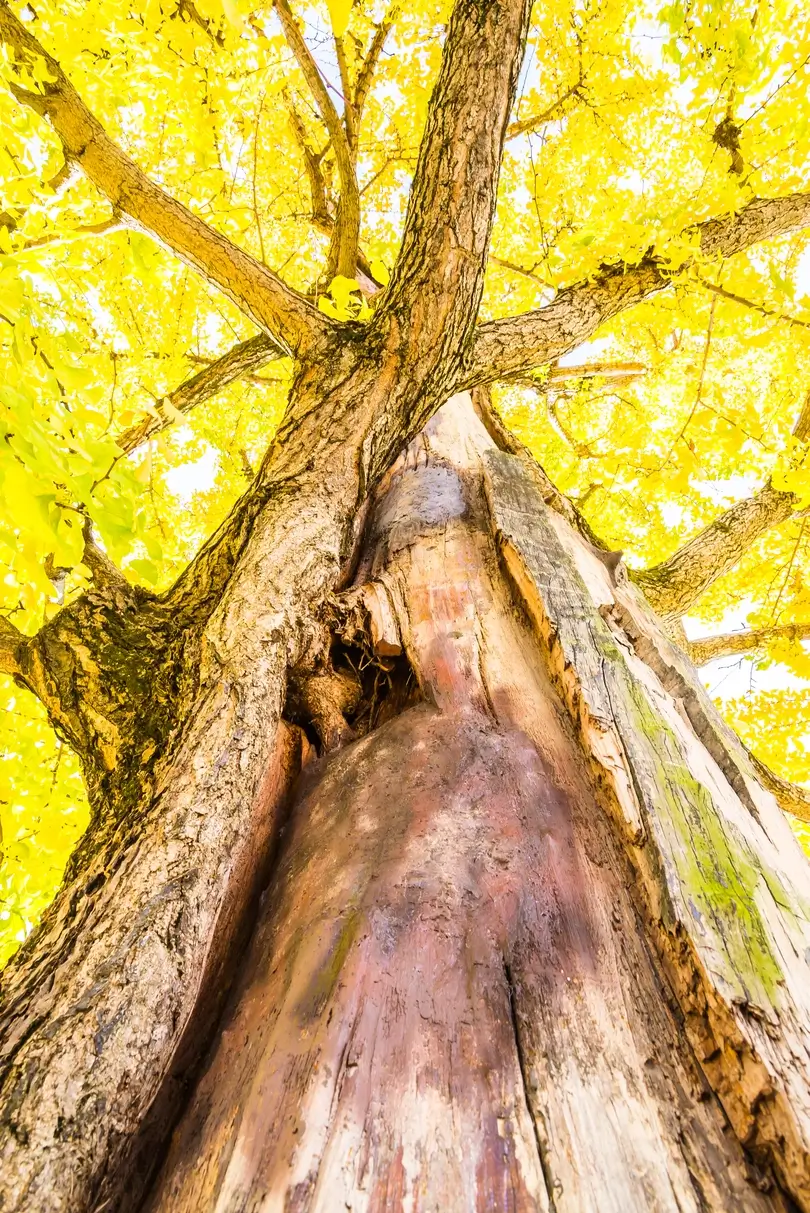
Strategic Pruning to Reduce the Spread of Infection
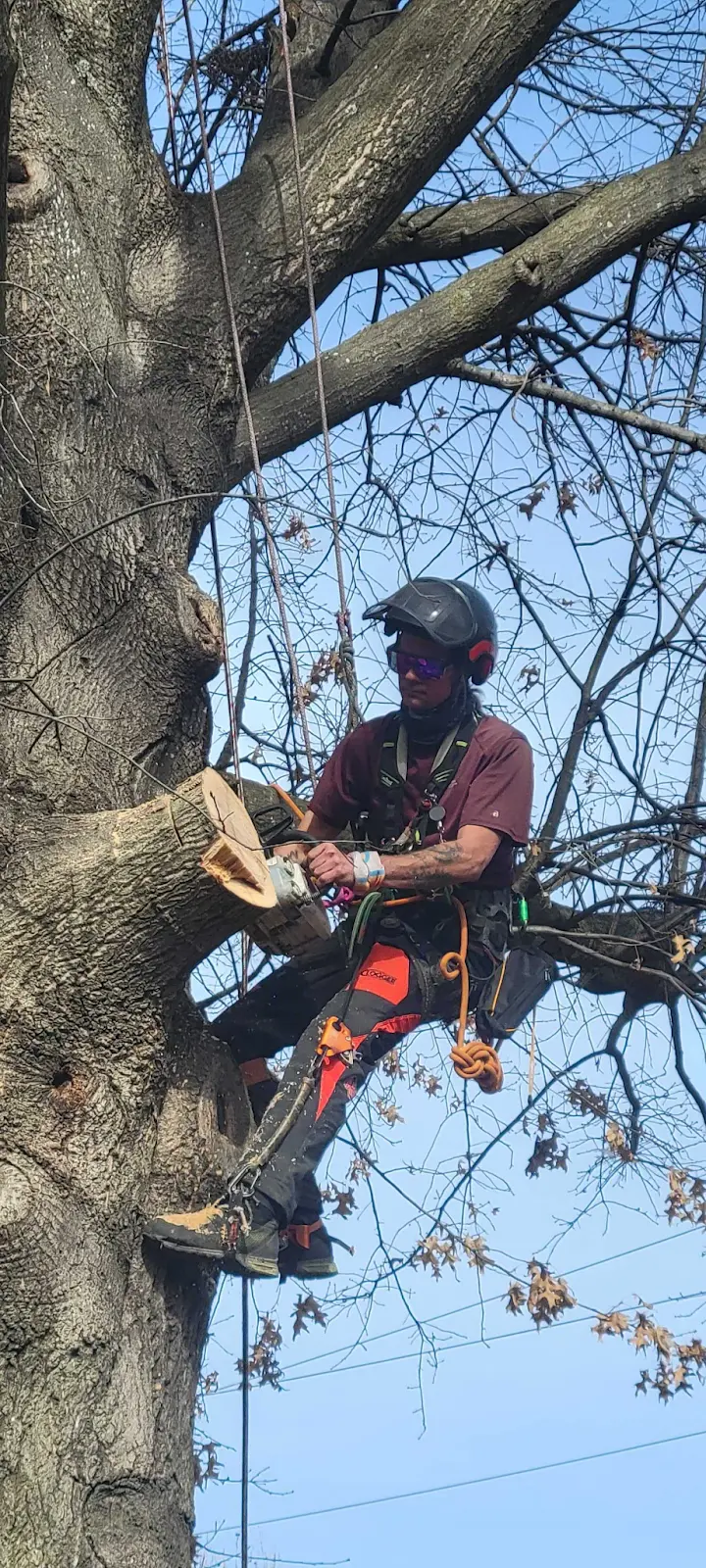
Tree pruning is often a major part of anthracnose management. Our arborists may recommend removing dead or infected twigs (when present), thinning the canopy to increase airflow and sunlight penetration, or correcting crossing branches and congestion that keep leaves damp. When we remove these branches for better airflow, leaves can dry faster after rain, which makes it harder for fungal spores to take hold.
Anthracnose Fungicide Applications When Appropriate
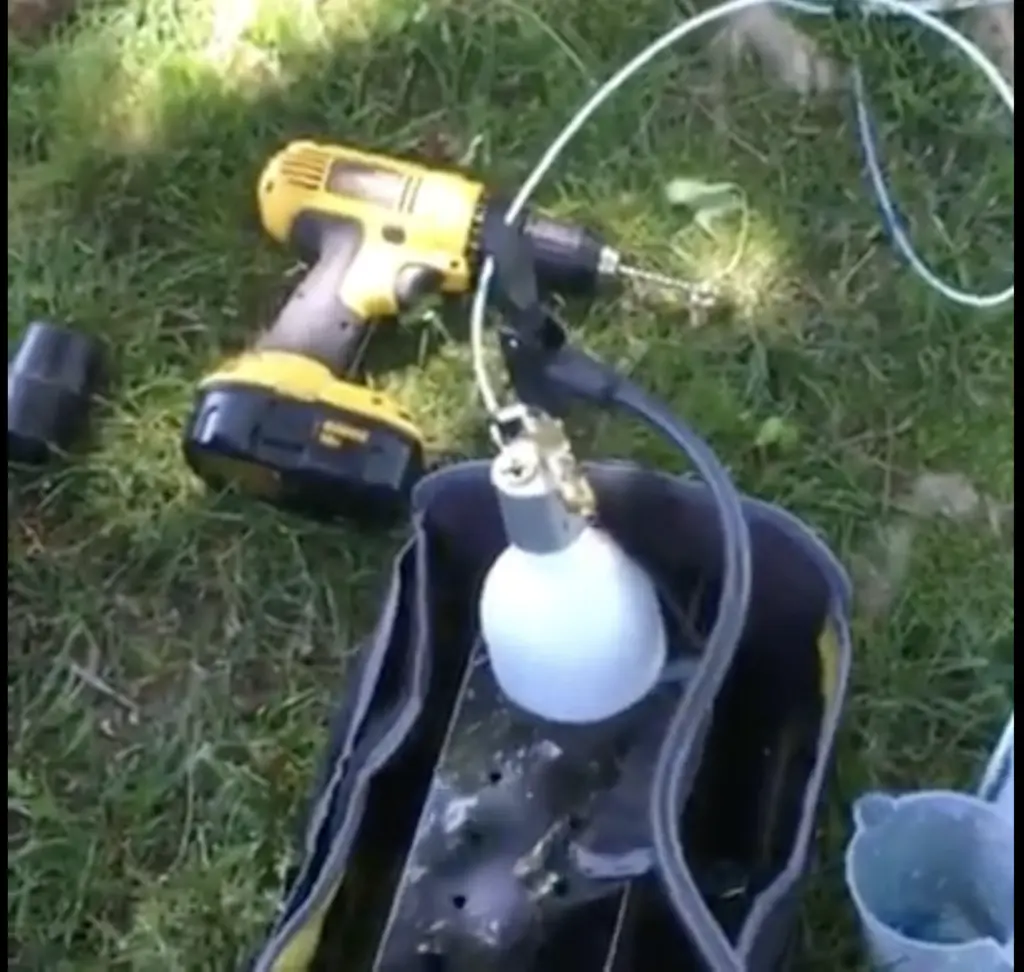
In certain cases, especially for high-value ornamentals (like dogwoods) or trees with severe defoliation, anthracnose fungicide treatments may be recommended. Of course, timing is everything when it comes to tree spraying applications. Treatment is typically most effective when applied preventatively as leaves begin to emerge, or early in symptom development, depending on the disease cycle.
We’ll explain what’s appropriate for your tree and property, and we’ll never recommend chemical applications when improved cultural care will do the job.
Plant Health Care to Improve Resilience
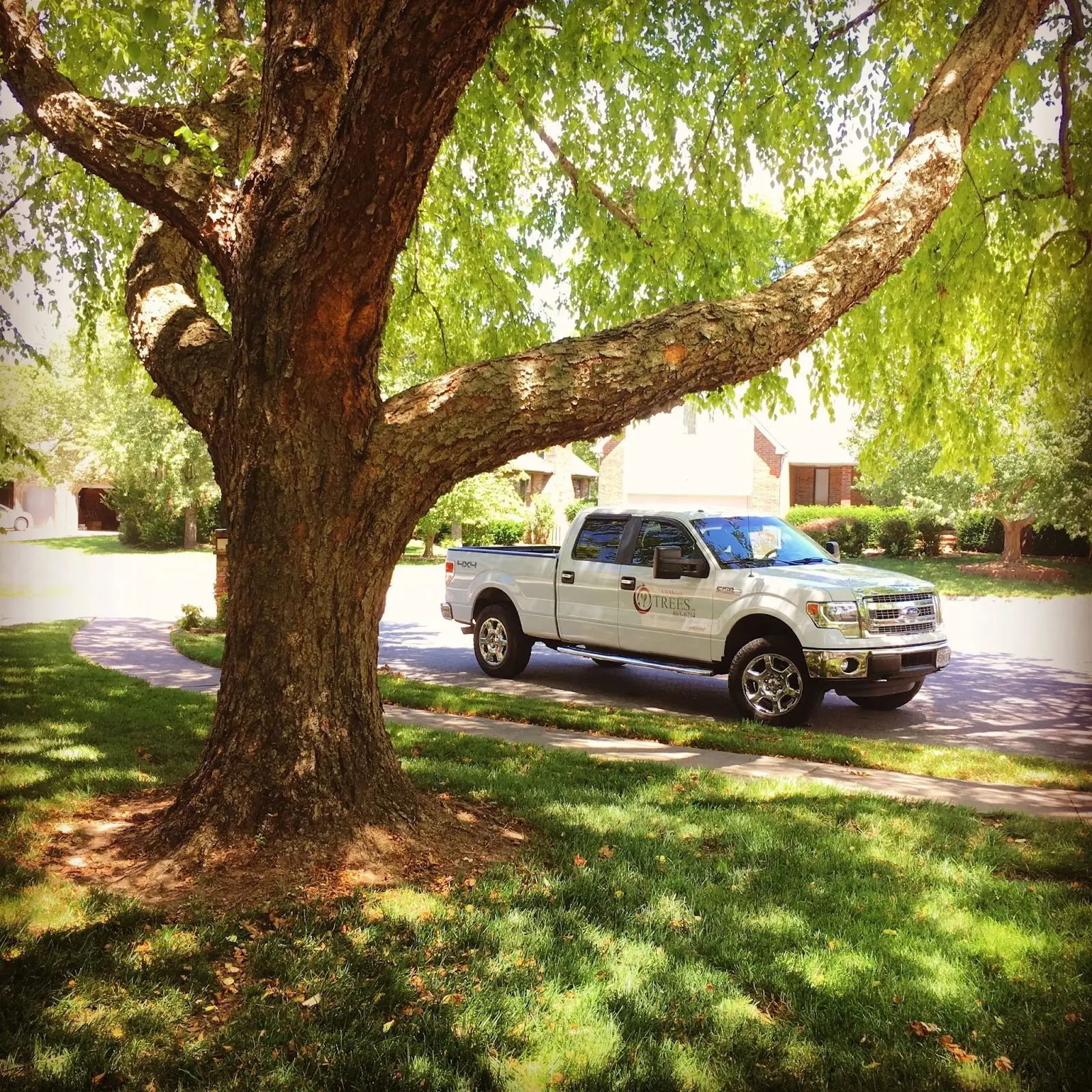
Because anthracnose hits harder when trees are stressed, we often pair disease management with plant health care plans, which may include:
- Soil amendments
- AirSpade services
- Pest control
- Rootwork
After all, a resilient tree can tolerate occasional disease pressure far better than a stressed one.
Objective
Preventing Anthracnose Through Proper Tree Care
You can’t control Springfield’s rain patterns, but you can reduce the conditions that help anthracnose thrive. Prevention is largely about keeping leaves dry when possible, reducing fungus overwintering sites, and strengthening overall tree health.
Here are practical prevention strategies our arborists often recommend:
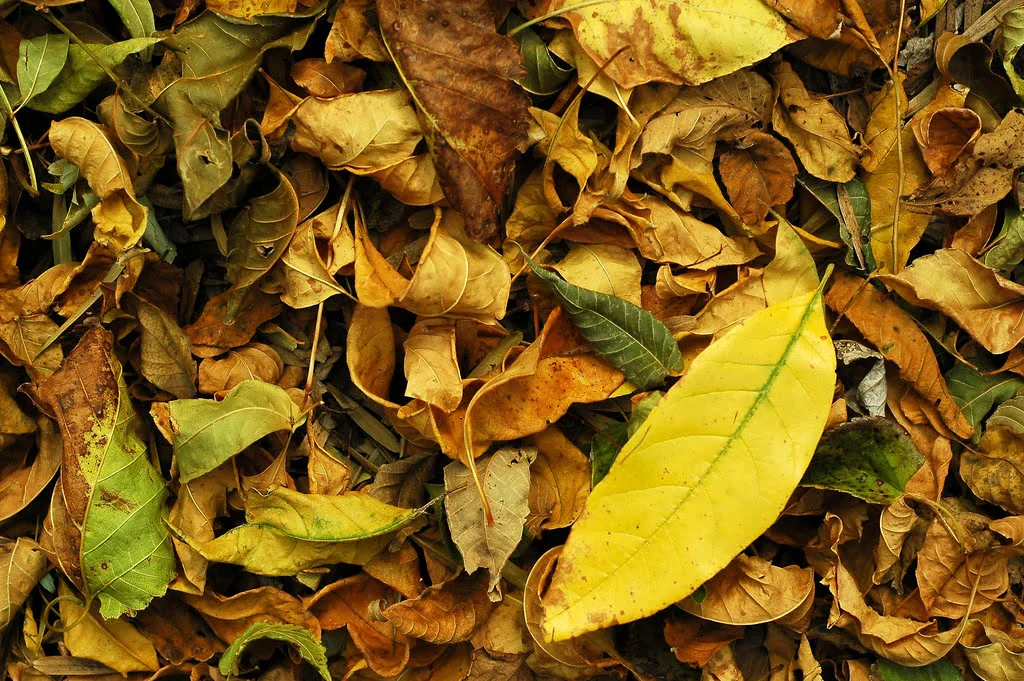
- Clean Up Leaf Litter: Many anthracnose fungi overwinter in fallen leaves and debris. Raking and removing leaf litter, especially beneath trees that struggled last season, can reduce the number of spores ready to re-infect new growth.
- Improve Airflow and Sunlight: Crowded branches and dense canopies create the perfect environment for anthracnose disease. Routine pruning that improves structure and airflow helps leaves dry faster after rain and dew.
- Water the Right Way: If you irrigate, avoid soaking the canopy. Instead, water at the base of the tree and water earlier in the day so surrounding areas dry out.
- Mulch Correctly: Mulch helps regulate soil moisture and temperature, but too much against the trunk can trap moisture and encourage decay. We recommend a mulch ring that’s 2-4 inches deep, spread outward toward the drip line, and kept a few inches away from the trunk.


Protect Your Trees From Anthracnose With Help From All About Trees
Seeing leaves dropping in late spring or early summer can be alarming, but the good news is that anthracnose is one of the most manageable tree diseases when addressed correctly. Our arborists at All About Trees will provide a thorough inspection, accurate diagnosis, effective anthracnose treatment, and ongoing support tailored to your property.
If you’re ready to get started, schedule a tree health inspection with All About Trees today. We proudly offer professional anthracnose treatment in Springfield, MO, and the surrounding areas, including Nixa, Fremont Hills, Ozark, Republic, Battlefield, Rogersville, Willard, Strafford, and Fair Grove.
Learn More

Contact Us
Give us a call if you’d like to be added to our calendar for a yearly maintenance check of your trees!