Emergency Tree Removal
Bagworm Treatment
Professional Bagworm Treatment & Control in Springfield, MO
Bagworms are masters of disguise. Using silk and bits of leaves, twigs, and bark from their host plant, they craft a clever camouflage that blends in perfectly with the surrounding foliage. So much so, in fact, that many homeowners don’t know there’s a problem until their prized evergreens or decorative shrubs start to look sickly. The good news is that there are a variety of bagworm treatment options available to homeowners and businesses in Springfield, MO.
If you suspect these pesky insects are feeding on your trees or shrubs, reach out to our team at All About Trees. Our certified arborists can accurately diagnose the problem and recommend the most effective solution for protecting the health and beauty of your property.


What Are Bagworms?
Bagworms are not actually worms. Instead, they are a type of moth in the larval, or caterpillar, stage. They live in spindle-shaped bags that are frequently mistaken for pinecones or dead foliage, thanks to the bags’ grayish-brown hue and makeup of plant debris.
The female moth never leaves her bag, laying hundreds of eggs inside it before she dies in the fall. Those eggs overwinter safely in the bag and hatch in late spring, unleashing a new generation of tiny caterpillars ready to feed on your trees and shrubs. The young bagworm caterpillars immediately begin consuming foliage and creating their own protective bags, causing significant defoliation that can stress, weaken, and even kill plants if the infestation is left untreated.

Plant Health Care
Are Your Trees Infested With Bagworm Caterpillars?
Identifying a bagworm infestation early is the key to minimizing damage. Since their camouflage is so effective, however, you must know exactly what you’re looking for.
- Visible Bags: Look closely for small cone-like structures that appear out of place on the tree. These bags are especially easy to spot on deciduous trees after the leaves have dropped in the fall. On evergreens like arborvitae, juniper, spruce, and pine, they can be much harder to see.
- Browning Needles and Foliage: As bagworms feed, they strip needles and leaves, causing patches of the plant to turn brown and die.
- A Thinning Canopy: A heavy infestation can lead to significant defoliation, creating bare spots on shrubs and a noticeably thinner canopy on larger trees.
In late spring and early summer, you might see the insects’ bags moving as the caterpillar inside crawls along branches to feed. In the fall and winter, the bags are stationary and contain the eggs that will hatch the following spring.
Effective Bagworm Treatment Methods in Springfield, MO
When it comes to controlling bagworms, an effective strategy requires precise timing and professional application. This ensures the pests are eliminated while protecting your plants and the surrounding environment. At All About Trees, we tailor our bagworm control methods based on the time of year, the severity of the infestation, and the needs of your specific tree species.
Foliar Sprays
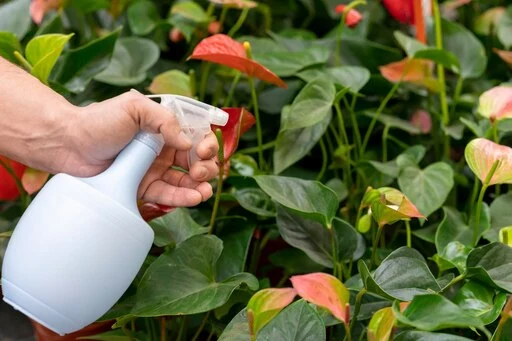
The most effective time to apply an insecticide spray is in late spring and early summer (typically late May through June in the Springfield area), shortly after the bagworm eggs have hatched. During this period, the caterpillars are small and actively feeding on the foliage. A tree spray will take care of the pests when they are most vulnerable.
Our certified arborists use specialized equipment for thorough coverage of the entire plant. We prioritize the use of targeted, low-impact bagworm insecticides that effectively control the pests while minimizing harm to beneficial insects like pollinators.
Soil Applications and Systemic Treatments
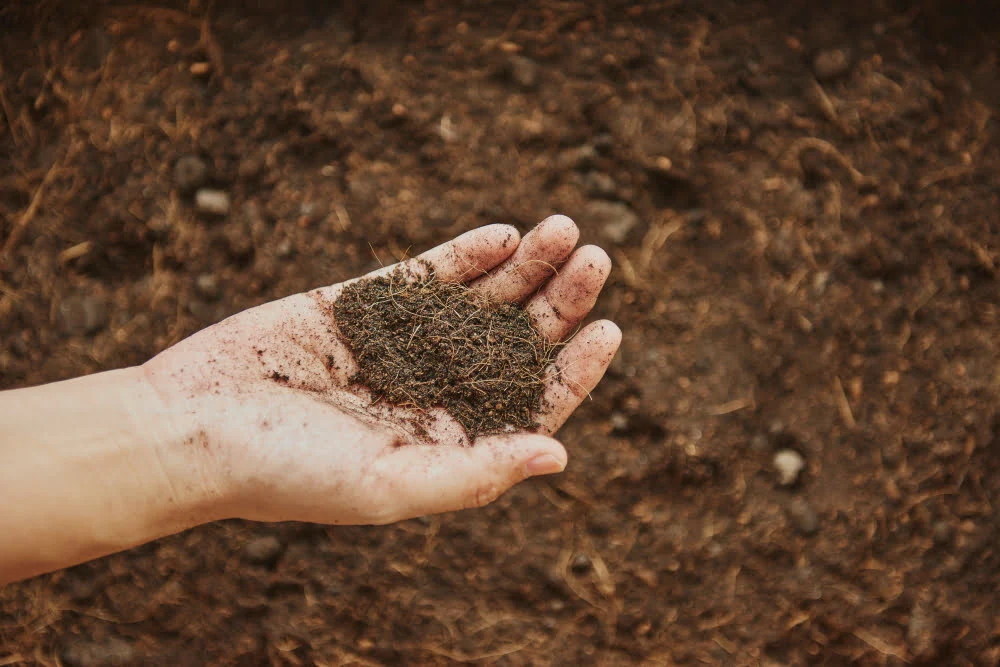
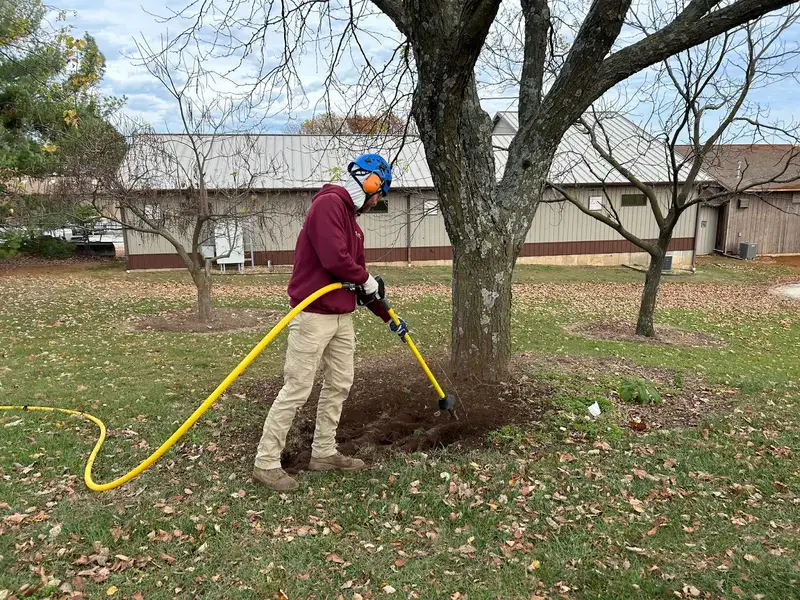
For proactive and long-lasting bagworm control, we often recommend systemic insecticide treatments applied to the soil around the base of the tree. The tree’s roots absorb the product and transport it throughout the vascular system, making the needles and leaves toxic to the feeding bagworms. This method is highly effective and can be applied in the spring to protect the tree for the entire season.
Handpicking
In cases where infestations are localized, a bagworm killer may not be necessary. In fact, handpicking bagworms from affected branches can significantly reduce the population. This is often recommended during winter or early spring before larvae emerge.
How We Prevent Bagworm Infestations
Since pests are often drawn to plants that are already under stress from poor nutrition, drought, or improper care, the best defense against bagworms is a healthy tree. That’s why we recommend homeowners and businesses invest in a comprehensive plant health care program. The services in these types of programs typically include:
- Deep Root Fertilization: We provide your trees with a balanced blend of essential nutrients delivered directly to the root zone, promoting strong growth and natural defense mechanisms.
- Soil Health Management: We can amend and improve your soil’s structure and biological activity to support a robust root system.
- Professional Tree Pruning: Regular, proper pruning removes weak or dead branches, improves air circulation through the canopy, and allows our arborists to monitor for early signs of pests like bagworms, tree mites, scale insects, and emerald ash borers.


Find Out if You Need Bagworm Control by Calling Our Certified Arborists
You know the trees and shrubs on your property best. So, when something appears off, you can trust your instincts when they are telling you it’s time to call a professional tree company.
At All About Trees, we remove all hurdles to getting the expert care your trees and shrubs deserve. We make it easy to schedule a consultation with one of our ISA-certified arborists and explain your options thoroughly and in clear, easy-to-understand terms so that you can make the best decision for your landscape.
If you’re ready to say goodbye to the bagworms taking over your woody plants, contact All About Trees today. We’re looking forward to crafting a bagworm treatment plan that benefits your property in Springfield, Nixa, Fremont Hills, Ozark, Republic, Battlefield, Rogersville, Willard, Strafford, or Fair Grove, MO.
Learn More

Contact Us
Give us a call if you’d like to be added to our calendar for a yearly maintenance check of your trees!