
Emergency Tree Removal
Trees in Missouri experience a wide range of environmental conditions throughout the year, including humid summers, heavy rainfall, and long stretches of drought. While trees are remarkably resilient, these environmental factors can make them more vulnerable to fungal diseases, especially when moisture levels rise and airflow is limited.
Some fungal issues are mostly cosmetic, causing minor spotting or temporary leaf discoloration. Others, however, can quickly weaken a tree’s structure, damage its canopy, interfere with nutrient absorption, and even spread to nearby plants if they aren’t addressed early. Fortunately, you can stay ahead of these problems with professional fungicide treatments.
When applied at the right time and in the right way, fungicides can stop fungal infections from taking hold and help support long-term tree health. Of course, it’s important to know when trees need fungicide treatments to have the best results.
Below, we’ll walk through the times of year trees need fungicides so that you know when it’s time to take action.
Why Fungal Diseases Spread So Quickly
Fungal pathogens are opportunistic. Under the right conditions, they can spread rapidly throughout a tree and even to neighboring plants. In order to stay ahead of fungal issues, it’s helpful to understand what causes them to spread.
- Weather Conditions: Warm temperatures combined with high humidity create ideal breeding grounds for fungal spores. Frequent rain and heavy dew also allow spores to germinate and spread across leaves and bark surfaces.
- Poor Airflow: Overcrowded canopies or tightly spaced plantings limit airflow. When leaves stay damp for extended periods, fungi have more time to take hold.
- Overcrowded Trees: Trees planted too closely together compete for light, water, and nutrients. This stress weakens their natural defenses and increases vulnerability to infection.
- Stressed Trees: Trees dealing with drought, compacted soil, improper pruning, or storm damage are more likely to develop fungal problems.
- Contaminated Tools: Improperly sanitized pruning equipment can transfer fungal spores from one tree to another. Certified arborists follow strict sanitation practices to reduce this risk.
How Fungicide Treatments Work
Fungicides are preventative treatments designed to halt the growth of fungal pathogens. A certified arborist applies these fungicides before infection occurs, typically during seasons when certain diseases are known to emerge. These tree sprays create a protective barrier on leaves and bark, stopping spores from establishing.
The Importance of Timing for Fungicide Treatment
Fungicides have a window of effectiveness. If you apply them too early, the new growth won’t be protected; if you apply them too late, the fungus may have already done permanent damage. Our team monitors local weather patterns and tree phenology (growth stages) to hit that perfect window for treatment.
When to Apply Fungicides to a Tree
At All About Trees in Springfield, MO, we typically apply fungicide sprays to trees early in the spring when temperatures start to rise and moisture levels increase, as these conditions create the perfect environment for fungal spores to activate and spread. We then apply consecutive fungicide treatments as the leaves emerge and unfurl to protect the delicate new growth and reduce the likelihood of fungal spores taking hold.
Why Professional Application Matters
Professional application ensures:
- Proper product selection
- Correct dosage and coverage
- Safe application practices
- Long-term tree health strategies
In addition to treatment, arborists may recommend pruning infected branches, improving soil health, increasing airflow, and investing in plant health care programs to reduce recurrence.
Is Your Tree Already Infected? Signs of Fungal Disease in Trees
While fungicides are highly effective as a preventative measure, they are not typically curative once a fungal disease has taken hold. That said, noticing signs of a fungal disease doesn’t mean all hope is lost for your tree. With the help of a professional arborist, it’s often possible to manage the spread of the disease, protect unaffected areas, and support the tree’s overall health.
Early intervention is key, which is why it’s important to recognize the warning signs as soon as they appear. If you notice any of the following problems, schedule a tree health inspection and speak with an ISA-certified arborist about the best next steps.
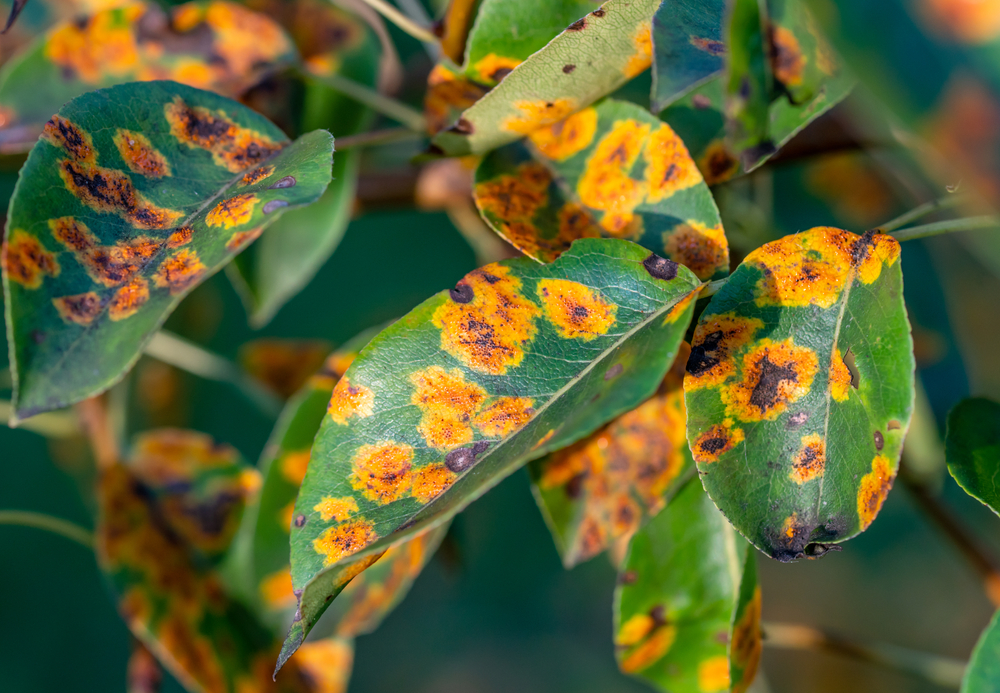
Discolored or Spotted Leaves
One of the earliest and most noticeable signs of fungal disease is leaf discoloration. You might see:
- Brown, black, or yellow spots
- Irregular blotches
- Rings or halos around dead tissue
- Leaves turning yellow earlier than usual
Leaf spot diseases are common in humid climates like Springfield’s, particularly during wet springs and summers. It’s important to note that, if left untreated, leaf spot diseases can reduce a tree’s ability to photosynthesize effectively, leading to stress and weakened growth over time, so it’s best to speak with a certified arborist as soon as possible.
Powdery Residue on Leaves or Stems
A white or gray powdery coating on leaves, buds, or stems is often a sign of powdery mildew — a fungal disease that thrives in warm days and cool nights. Unlike many other fungi, powdery mildew doesn’t require standing water to spread. High humidity alone can be enough.
This powdery layer can:
- Distort leaf growth
- Cause leaves to curl or twist
- Reduce overall vigor
- Affect flowering or fruiting in ornamental and fruit trees
Although powdery mildew may initially appear cosmetic, severe infections can stress the tree significantly and make it more susceptible to other issues.
Premature Leaf Drop
Are your trees shedding leaves in the middle of summer? While seasonal leaf drop is normal in fall, early or excessive leaf loss can indicate fungal stress.
Diseases like anthracnose and severe leaf spot infections can cause trees to drop leaves prematurely as a defense mechanism. Over time, repeated early defoliation weakens the tree, limits energy production, and makes it harder for the tree to store nutrients for future growth.
If you notice bare branches during the growing season, it’s important to investigate the cause before the problem worsens.
Cankers on Branches or Trunks
Cankers are sunken, dead areas of bark that may appear cracked, discolored, or swollen. They often develop when fungal pathogens enter through wounds in the bark.
Cankers can:
- Disrupt the flow of water and nutrients
- Weaken branches
- Cause sections of the tree to die back
- Increase the risk of branch failure
In Springfield’s storm-prone climate, trees often sustain small wounds from wind or debris. These wounds create entry points for fungi. If cankers are expanding or multiple branches are affected, professional treatment may be necessary to prevent structural decline.
Oozing or Unusual Sap Flow
While trees naturally produce sap, excessive or unusual oozing can indicate infection. You may see dark streaks, wet-looking patches on the trunk, or sap seeping from cracks in the bark.
Certain fungal infections can disrupt the tree’s vascular system, leading to abnormal sap flow. If oozing is accompanied by foul odor, discoloration, or bark splitting, it’s time to schedule an inspection.
Mushrooms Growing Near the Base of the Tree
Mushrooms at the base of your tree may look harmless, but they often indicate fungal activity in the root system or decaying wood beneath the soil surface.
Root rot fungi can be especially concerning because they attack the structural foundation of the tree. Signs of root-related fungal issues include:
- Mushrooms or fungal conks near the trunk
- Soil that remains excessively damp
- Leaning trees
- Sudden canopy thinning
Root rot can compromise stability, increasing the risk of tree failure, particularly during storms, so make sure you schedule professional rootwork as soon as you notice any concerning changes in your tree.
A Thinning Canopy
If your tree’s canopy appears sparse or uneven compared to previous seasons, fungal disease could be the cause. Thinning can occur when leaves are damaged, branches die back, or nutrient transport is disrupted.
A healthy canopy should be full and vibrant during the growing season. If you notice more sunlight passing through than usual or patchy growth in certain areas, it may indicate underlying stress from fungal infection.
Dieback in Branches
Branch dieback (when the tips of branches begin to wither and die) can result from fungal pathogens attacking the vascular system. Over time, dieback can spread inward toward larger branches and the trunk.
Common signs of branch dieback include:
- Brittle, leafless branch tips
- Discoloration beneath the bark
Dieback is often a late-stage symptom, meaning the infection may already be well established. Early intervention can help limit further spread.
Get Expert Tree Care Solutions for Fungal Diseases
Do you want to avoid the stress and damage caused by fungal diseases? Investing in professional fungicide treatments from All About Trees is one of the most effective steps you can take. Our Springfield team understands the ideal timing, application methods, and preventative strategies needed to protect your trees and keep them healthy throughout the seasons.
If you have noticed unusual spotting, premature leaf loss, mushrooms near the base of your tree, cankers, or other symptoms and are worried your tree may be dealing with a fungal infection, our team can still help. We will identify the problem and recommend the right treatment plan for your tree.
Contact us today to schedule a professional inspection and get ahead of fungal infections before they lead to long-term decline or permanent damage.